
Hypermodern Python Tooling, the g6R Project, New Tutorials | Issue 77
A weekly curated update on data science and engineering topics and resources.

This week's agenda:
Open Source of the Week - The g6R project
New learning resources - Python for AI agents, Pydantic AI, Python R-strings, Kubernetes full course
Book of the week - Hypermodern Python Tooling by Claudio Jolowicz
The newsletter is also available on LinkedIn and Medium.

Are you interested in learning how to set up automation using GitHub Actions? If so, please check out my course on LinkedIn Learning:
Open Source of the Week
This week’s focus is on the g6R project. The g6R is an R wrapper for the G6 graph JS library. Developed by David Granjon and David Schoch, it provides a set of tools and functions for creating interactive networks in R.
Project repo: https://github.com/cynkra/g6R/
Key Features
Support for various layouts, including force-directed, radial, circular, and hierarchical.
Interactive behaviors such as zooming, dragging, and selecting elements.
Plugins for additional functionality, including minimaps and tooltips, context menus, and node grouping features like bubble sets, hulls, and legends.
Various data sources, including data frames, lists, and remote JSON URLs.
Support for combos that allow nested nodes.
High-performance rendering (>20000 nodes).
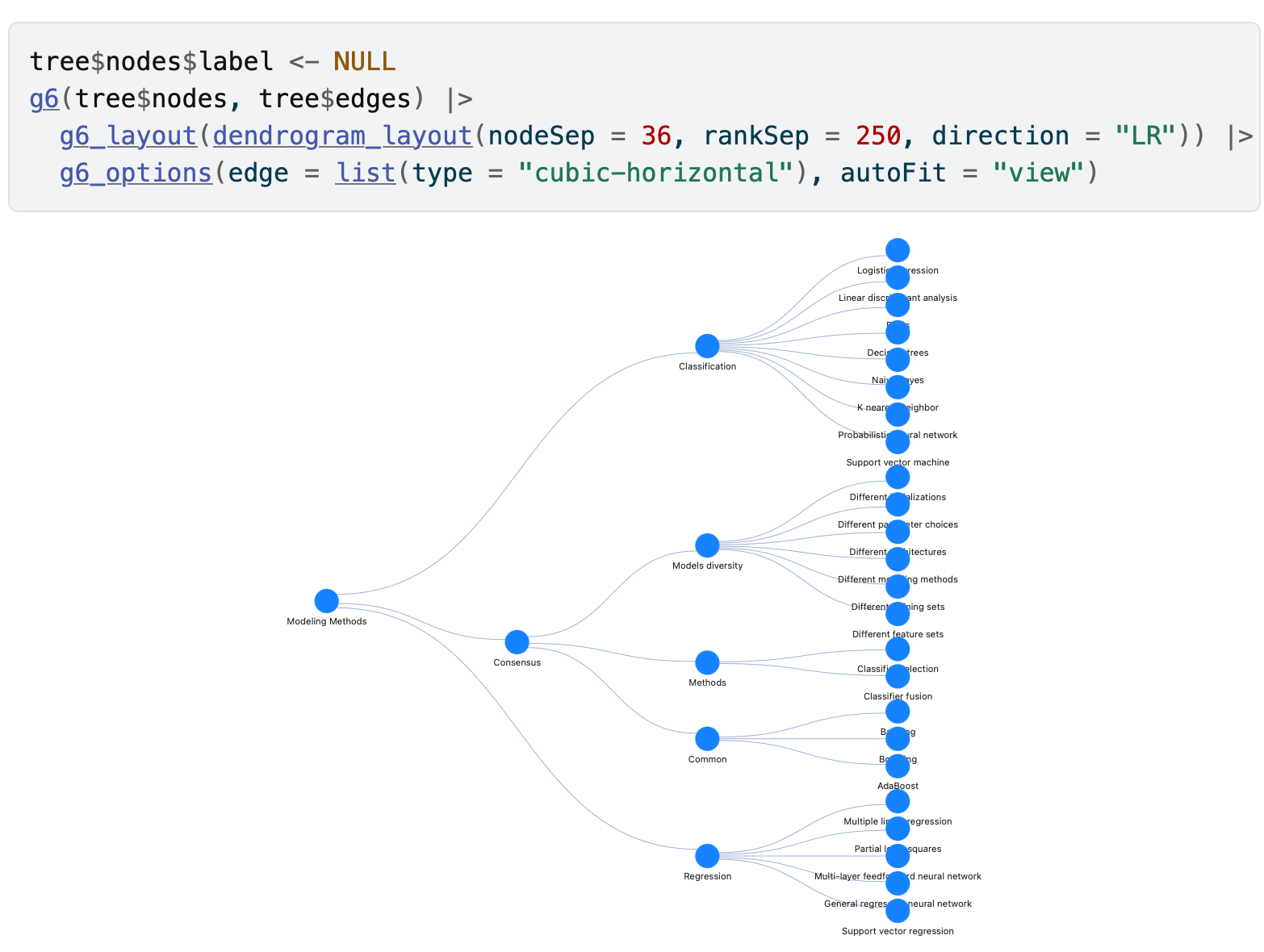
More details are available in the project documentation.
License: MIT
New Learning Resources
Here are some new learning resources that I came across this week.
Python Essentials for AI Agents
The following tutorial by Prashant Sahu focuses on Python essentials for building AI agents. This six-hour course includes Python foundations, working with data and APIs, and developing agents.
Pydantic AI Crash Course
This introduction to Pydantic AI is a beginner-level tutorial that focuses on the framework’s use for AI applications.
Python R-strings and Escape Sequences
Another short and concise Python tutorial by Visually Explained focusing on R-strings.
Kubernetes Full Course
A new course from freeCodeCamp focusing on Kubernetes (K8). This 5-hour course is a beginner-level course, and it covers the following topics:
Applications
K8 cluster
Container runtime and network interface
Pods
Scheduler
Deployment
Services
Getway API
Book of the Week
This week’s focus is on a Python book - Hypermodern Python Tooling by Claudio Jolowicz . The book provides a hands-on guide to modern Python development infrastructure and workflows. This book helps Python developers go beyond writing code to building reliable, maintainable toolchains using today’s best-of-breed tools. It shows how to create professional project setups with effective environment management, packaging, automation, testing, linting, type checking, and more so that Python projects scale well and stay healthy over their lifetime.
What the Book Covers
Installing and managing Python interpreters — handling multiple versions across platforms and tools like pyenv, Hatch, and Rye.
Python environments — virtual environments, pipx, uv, and understanding modules and the import system.
Packaging and project setup — writing
pyproject.toml, building/distributing packages, versioning, and project metadata.Dependency management — specifying dependencies, version specifiers, environment markers, extras, and lock files using tools such as Poetry.
Testing and automation — using pytest for tests, coverage.py for measuring test coverage, and Nox to automate multi-environment workflows.
Static analysis and linting — integrating Ruff, pre-commit, and code formatters like Black into your workflow.
Typing for safety — adopting type annotations in Python, using mypy for static checking, and automating type checks within Nox sessions.
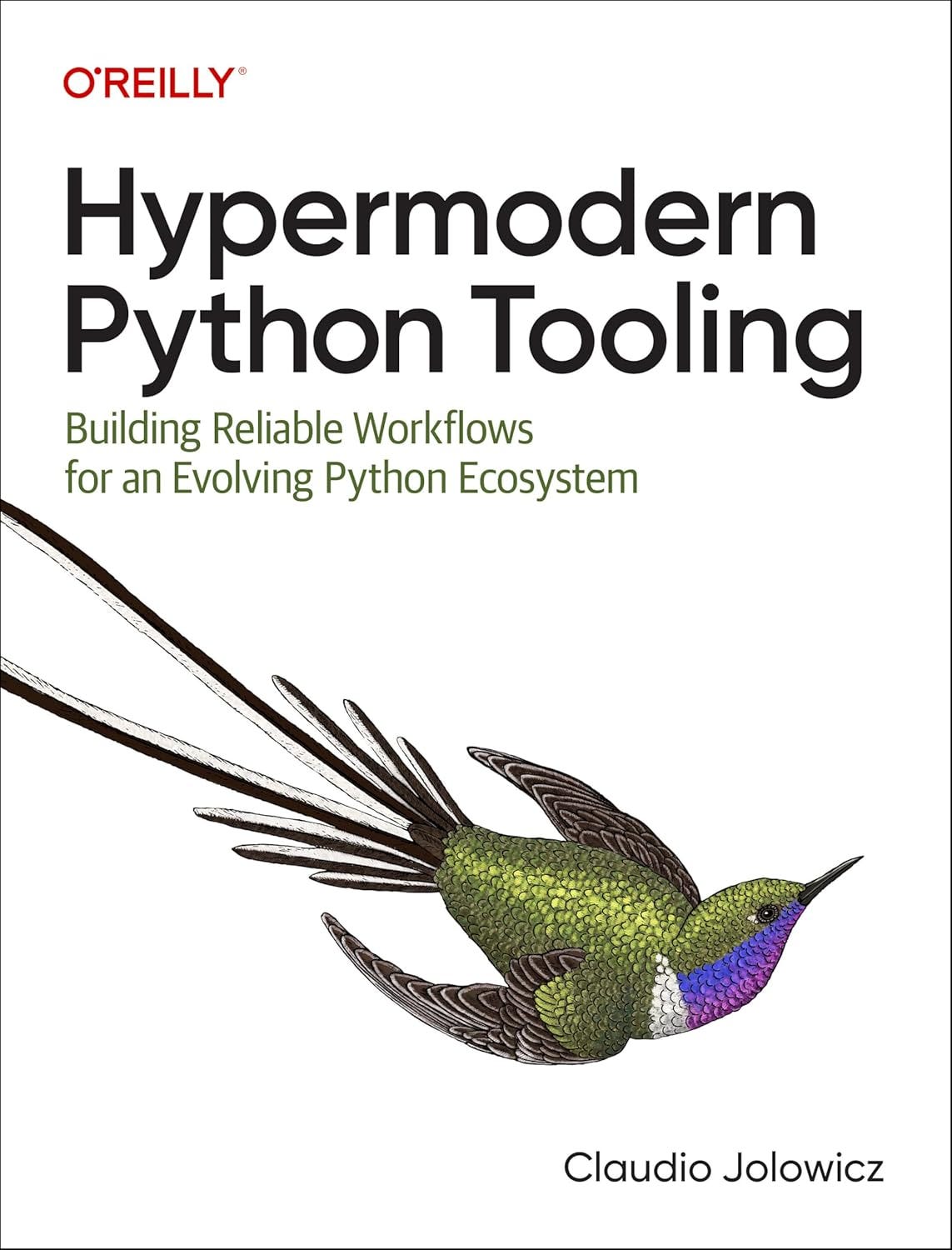
This book is ideal for intermediate to advanced Python developers and engineers who want to professionalize their Python workflows — especially those building reusable libraries, maintaining long-term projects, or working in teams where robust tooling, automation, and quality practices make code more reliable and maintainable.
The book is available online on the publisher’s website, and a hard copy can be purchased on Amazon.
Have any questions? Please comment below!
See you next Saturday!
Thanks,
Rami